Return Back on the Road With Security - Reliable Auto Repair
Dependable auto repair is crucial for vehicle safety and performance. A trustworthy shop provides thorough work, from regular inspections to emergency fixes. Understanding when a car needs attention can be difficult. Many drivers struggle with finding trustworthy mechanics. Regular maintenance is essential for extending your car's lifespan. Yet, the complexities of repair costs and effective communication with mechanics can leave one uncertain. How can vehicle owners ensure their vehicles are always road-ready?
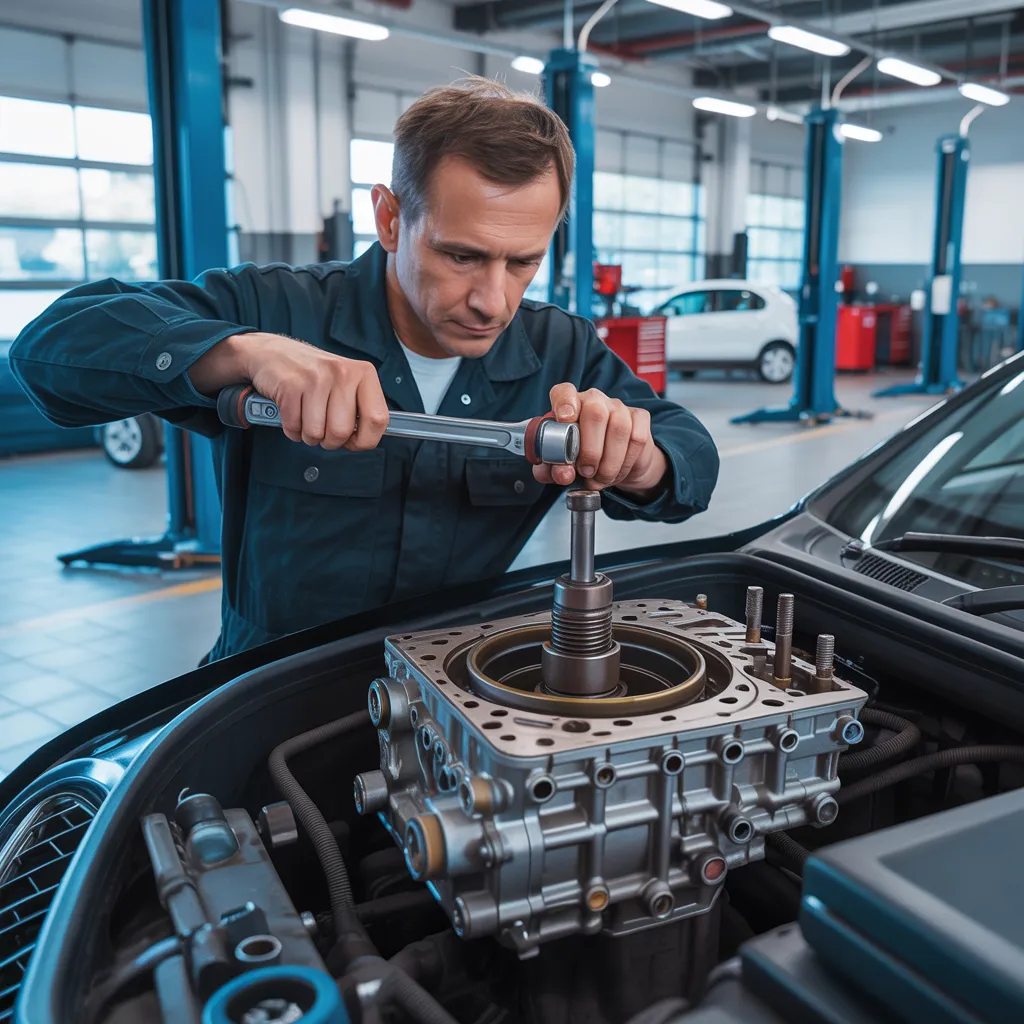
Recognizing When Your Vehicle Needs Repairs
How can one tell when a vehicle requires attention? There are multiple key indicators that indicate a requirement for maintenance. Unusual sounds and vibrations, such as grinding or squeaking, often point to brake or engine issues. Warning lights on the dashboard, particularly the check engine light, should not be ignored, as they signal potential problems that call for immediate investigation. Additionally, a decrease in performance, such as sluggish acceleration or difficulty starting, can also point to underlying mechanical issues.
Visual signs, such as fluid leaks or irregular tire degradation, are additional signals that servicing is required. If the car pulls to one side while operating, this could signal alignment problems or tire problems. Consistently tracking these elements can help guarantee timely repairs, preventing greater deterioration and costs in the future. Overall, being attentive and forward-thinking is essential for maintaining vehicle health.
How to Locate a Trustworthy Auto Repair Shop
Locating a reliable auto repair shop can be a challenging task for vehicle owners. To begin, people should seek recommendations from friends, family, or work associates. Personal experiences often impart pertinent information into a shop's standard of service. Online reviews and marks on networks like Yelp or Google can also help evaluate consumer contentment.
Next, confirming endorsements and partnerships with established sector bodies, such as the Automotive Service Excellence (ASE), can point to a shop's commitment to professional standards. It is suggested to tour likely candidates for an starting consultation, letting clients to review cleanliness, organization, and customer service.
In addition, getting written estimates before any work begins can eliminate misunderstandings regarding costs. Finally, a honest shop should be transparent about its services and willing to describe repairs. By following these steps, vehicle owners can increase their chances of finding a dependable auto repair shop.
The Vital Benefits of Consistent Vehicle Upkeep
While many vehicle owners may disregard routine upkeep, regular vehicle maintenance is vital for ensuring a car's longevity and peak performance. Omitting upkeep can lead to a cascade of issues, from minor inconveniences to major malfunctions. Standard inspections, such as oil changes, wheel rotations, and brake inspections, can sidestep expensive maintenance and boost driving safety.
Furthermore, routine servicing helps preserve a vehicle's fuel efficiency, reducing overall maintenance expenses. It also maintains the trade-in value; a properly maintained car is often more desirable to interested buyers.
Participating in routine upkeep cultivates a sense of responsibility among owners, encouraging them to stay knowledgeable about their vehicle's needs. By emphasizing regular care, vehicle owners not only safeguard their asset but also contribute to general driving safety. Ultimately, consistent vehicle maintenance is a proactive approach that advantages both the explore owner and the broader community.
Learning About Restoration Fees
Interpreting maintenance expenses can often prove bewildering for vehicle owners. Various factors influence these outlays, including hourly wages, parts pricing, and the challenge of the repair process. Labor charges fluctuate considerably depending on region and shop, typically reflecting the mechanic's proficiency and the business's operating expenses. Furthermore, the selection of parts utilized—if OEM or replacement—can substantially influence the overall bill.
Vehicle years and type also contribute; vintage or rare vehicles may require unique components that are more expensive and more difficult to find. Additionally, unforeseen problems can emerge during maintenance work, causing additional costs that were not initially anticipated. By gaining a basic understanding of these factors, vehicle owners can approach repair estimates with increased assurance and establish well-reasoned conclusions regarding their vehicle requirements.
How to Lucidly Present Car Issues to Your Mechanic
Communicating car problems effectively to a technician can greatly enhance the diagnosis and repair procedure. When describing issues, car drivers should be precise about indicators, such as unusual noises, vibrations, or dashboard alerts. Providing details on when the issue happens—whether during acceleration, braking, or sitting idle—can also help the mechanic pinpoint the issue.
It is helpful to record any recent shifts in driving patterns or maintenance history. Using plain, direct wording eliminates uncertainty, assisting the repair specialist to grasp the circumstances more clearly. Owners should avoid using technical jargon unless they are confident of its meaning.
In addition, submitting documentation, such as service records or previous repair invoices, can establish context. A specific description not only accelerates swift diagnosis but also promotes a collaborative relationship between the car owner and the mechanic, ultimately achieving effective repairs.
Forming a Ongoing Relationship With Your Auto Repair Shop
Developing a sustained partnership with an auto repair shop depends on trust and transparency. Consistent quality service reinforces this tie, while transparent communication pathways make certain that clients feel important and heard. Collectively, these elements create a partnership that benefits both the patron and the repair technician.
Establish Credibility Through Clear Communication
When clients feel well-informed about the services their vehicles need, trust naturally arises between them and their auto repair shop. Transparency in communication is essential; it allows customers to understand the justification behind recommended repairs and maintenance. Auto repair shops that provide detailed insights, accurate estimates, and open discussions create a sense of trust among their clientele. This openness not only simplifies the repair process but also empowers customers to make well-considered decisions. Furthermore, sharing information about the shop’s qualifications, warranties, and service history enhances credibility. By prioritizing transparency, auto repair shops can build lasting relationships, encouraging return business and customer loyalty. Ultimately, trust through transparency sets the path for a more satisfying and reliable auto repair experience.
Consistent Premium Service
Consistent excellent service quality is the foundation of a enduring connection between customers and their auto repair shop. When customers obtain dependable and prompt repairs, they are more likely to come back for future maintenance. This reliability fosters trust, allowing customers to be assured in the expertise of the technicians. Over time, as customers witness the same high standards being upheld, a sense of commitment develops. Regularly performed quality checks and adherence to industry standards guarantee that vehicles are not only fixed but also serviced to avoid future issues. Such dedication to excellence creates an environment where customers sense appreciation, knowing their vehicles are in skilled hands. Ultimately, this commitment to consistent quality service strengthens the bond between auto repair shops and their clientele.
Create Interaction Routes
Effective communication acts as an essential bridge between customers and their auto repair shops, bolstering trust and comprehension. Transparent communication channels establish a collaborative environment where patrons feel important and kept in the loop. When repair shops deliver clear accounts about work performed, costs, and timeframes, customers can make superior determinations about their automobiles. Consistent updates during repairs can alleviate apprehension and build confidence in the shop's proficiency. On the other hand, patrons who express their reservations and preferences participate in to a more personalized experience. This reciprocal exchange not only strengthens bonds but also stimulates allegiance. By prioritizing open communication, auto repair shops can establish a reputation for trustworthiness, ensuring that customers revisit for subsequent needs, certain in the labor they will receive.
Frequently Requested Questions
What Should I Do if My Car Fails Suddenly?
When a car malfunctions abruptly, the driver should safely pull over, activate hazard lights, evaluate the situation, and call for roadside assistance or a tow service if needed. Remaining composed is vital.
How Can I Confirm if a Mechanic Is Sincere?
To determine a mechanic's trustworthiness, one should review ratings, seek recommendations, verify qualifications, and notice openness in pricing. A trustworthy technician will speak plainly and provide detailed explanations of necessary repairs and services.
Can you get warranties for auto repair work?
Many auto repair shops provide coverage on their work and components, typically ranging from 90 days to several years. Customers should ask regarding specific details and requirements to guarantee adequate coverage for their repairs.
What Instruments Should I Keep in My Car for Emergencies?
A well-prepared car should have a spare tire, jack, jumper cables, flashlight, first aid kit, basic tools, and tire pressure gauge. These necessities help guarantee safety and address minor issues during unexpected emergencies on the road.
What Can I Do to Ready My Car for Changing Seasons?
To set up a car for climate shifts, one should check liquid amounts, check tires for tread and pressure, test the battery, replace wipers, and make certain lights function properly for best safety and operation.